


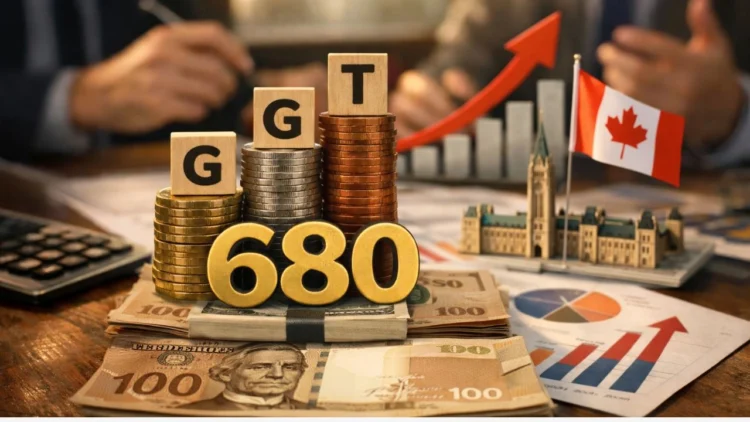
The Canadian government has confirmed an increase in Goods and Services Tax (GST) credit payments for 2026, with eligible residents potentially receiving up to $680 under the updated structure. This financial adjustment aims to support low and moderate-income households as living expenses continue to rise. By revising payment amounts and clarifying the adjustment formula, authorities hope to provide greater transparency and consistent financial relief for Canadians who depend on these quarterly benefits.
The GST payment increase for 2026 is part of ongoing efforts to ensure that tax credits reflect current economic conditions. Inflation, housing costs, and everyday expenses have prompted the government to reassess how benefits are calculated and distributed. As a result, many households could see higher quarterly payments beginning in 2026.
Understanding how the new GST payment structure works, who qualifies, and how the $680 total may be distributed will help residents prepare and plan their finances effectively.
Overview of the GST Credit Program
What is the GST credit
The Goods and Services Tax credit is a tax-free quarterly payment designed to assist individuals and families with low or moderate incomes. It helps offset the GST or Harmonized Sales Tax (HST) paid on essential purchases. Unlike some other government benefits, the GST credit does not require a separate application. Eligibility is automatically assessed when individuals file their annual tax returns.
The GST credit plays a crucial role in reducing the financial burden on households facing higher living costs. For many Canadians, these quarterly payments help cover everyday expenses such as groceries, transportation, and utilities.
Purpose of the 2026 increase
The increase to as much as $680 in 2026 reflects adjustments made to keep pace with inflation and economic changes. As the cost of living rises, the government periodically reviews tax credits to ensure they continue to provide meaningful support.
By raising payment limits and clarifying the adjustment structure, officials aim to improve financial stability for recipients while maintaining fairness in the tax system.
New GST Payment Amounts for 2026
Maximum payment of up to $680
Under the updated 2026 structure, eligible individuals and families could receive GST credit payments totaling up to $680 annually. The exact amount each household receives will depend on income level, marital status, and number of children.
Single individuals, couples, and families with children may all qualify for varying payment levels. Payments will typically be distributed quarterly, meaning recipients could receive smaller amounts every few months rather than a single annual payment.
How payments are calculated
GST credit payments are calculated based on:
Net family income
Marital or family status
Number of dependent children
Residency and tax filing status
The Canada Revenue Agency (CRA) uses information from annual tax returns to determine eligibility and payment amounts. Ensuring that tax filings are accurate and submitted on time is essential for receiving the correct benefit.
Quarterly payment schedule
GST credit payments are usually issued four times a year. With the updated structure for 2026, recipients can expect regular quarterly deposits reflecting the increased payment levels. Direct deposit remains the fastest way to receive funds.
Those who do not use direct deposit may receive cheques by mail, which can take longer to arrive.
Government’s New Adjustment Structure Explained
Why the adjustment structure changed
The government has introduced a revised adjustment framework to make GST credit calculations more responsive to economic conditions. Rising inflation and shifting household costs have made periodic updates necessary to maintain the effectiveness of the credit.
The new structure ensures that payment amounts are reviewed regularly and adjusted when needed. This approach helps preserve purchasing power for recipients and prevents benefits from losing value over time.
How adjustments will be applied
Under the updated system, GST payments may be recalculated based on:
Annual inflation data
Changes in household income
Family composition updates
Economic indicators affecting living costs
These factors allow the government to determine appropriate payment levels each year. Adjustments will be reflected automatically in future payments without requiring recipients to reapply.
Transparency and communication
Authorities have emphasized the importance of transparency in explaining how GST payments are calculated. Clear communication about eligibility and payment adjustments helps recipients understand what to expect and avoid confusion.
Official notices, online portals, and tax assessment documents will provide detailed information about payment amounts and schedules.
Who Qualifies for the 2026 GST Increase
Income requirements
Eligibility for the GST credit primarily depends on income level. Individuals and families with lower or moderate incomes are more likely to qualify for higher payments. As income increases, payment amounts gradually decrease until they phase out.
Filing a tax return each year is essential, even for those with little or no income. Without a tax return, the CRA cannot determine eligibility.
Residency criteria
To receive GST credit payments, recipients must be Canadian residents for tax purposes. They must also meet age requirements or have a spouse, partner, or child who qualifies.
New residents to Canada may become eligible after filing their first tax return and meeting residency criteria.
Family and marital status
Family size and marital status significantly influence payment amounts. Households with children often receive higher credits to help cover additional living expenses.
Changes in marital status or number of dependents should be reported to ensure accurate payment calculations.
Benefits of the Increased GST Payments
Support for rising living costs
The 2026 GST payment increase to $680 is expected to help households manage higher living expenses. Groceries, housing, transportation, and utilities have become more expensive, making additional financial support essential.
Even modest increases in tax credits can ease financial pressure and improve household stability.
Strengthening financial security
Regular quarterly payments provide predictable income that recipients can rely on throughout the year. This consistency helps households budget more effectively and plan for recurring expenses.
For many families, GST credits serve as a financial cushion during periods of economic uncertainty.
Encouraging timely tax filing
Because GST credit eligibility depends on tax return information, the program encourages Canadians to file their taxes on time. Accurate tax reporting ensures that recipients receive the correct payment amounts and avoid delays.
Timely filing also helps maintain access to other benefits linked to income information.
How to Prepare for the 2026 GST Payment Changes
File taxes on time
Filing tax returns promptly is the most important step in securing GST credit payments. Even individuals with minimal income should file annually to remain eligible.
Using certified tax software or professional tax services can help ensure accuracy and prevent processing delays.
Update personal information
Changes in address, marital status, or number of dependents should be reported to the CRA as soon as possible. Keeping personal information current helps avoid payment errors and ensures that adjustments reflect actual household circumstances.
Online CRA accounts make it easy to update information and track payment details.
Choose direct deposit
Setting up direct deposit ensures faster and more reliable receipt of GST payments. Funds are deposited directly into bank accounts on scheduled payment dates, reducing the risk of lost or delayed cheques.
Recipients can enroll in direct deposit through their CRA online accounts or financial institutions.
Economic Impact of the GST Credit Increase
Supporting consumer spending
Higher GST payments can contribute to increased consumer spending, particularly on essential goods and services. This spending supports local businesses and helps maintain economic stability.
By providing targeted financial assistance, the government helps ensure that vulnerable households can continue participating in the economy.
Reducing financial stress
Financial assistance programs like the GST credit reduce stress for households facing tight budgets. Knowing that quarterly payments are coming can help families manage expenses more confidently.
The updated payment structure for 2026 aims to provide consistent and predictable support.
Conclusion
The confirmed increase in GST payments to as much as $680 in 2026 represents a significant step toward supporting Canadian households facing rising living costs. With a revised adjustment structure and clearer communication about eligibility, the government aims to ensure that benefits remain fair, responsive, and accessible.
Eligible residents should focus on filing taxes on time, keeping personal information updated, and staying informed about official announcements. By understanding how the new system works and preparing accordingly, Canadians can make the most of the increased GST credit and maintain financial stability in the year ahead.
Frequently Asked Questions (FAQs)
When will the increased GST payments for 2026 begin?
The higher GST credit payments for 2026 will be issued through the regular quarterly schedule. Eligible residents will automatically receive the updated amounts once the new payment cycle begins.
Who can receive up to $680 in GST payments in 2026?
Low and moderate-income individuals, couples, and families who meet CRA eligibility criteria and file their taxes on time may receive GST payments totaling up to $680 in 2026.
Do I need to apply separately for the 2026 GST increase?
No separate application is required. The Canada Revenue Agency calculates GST credit eligibility automatically based on your annual tax return and household information.